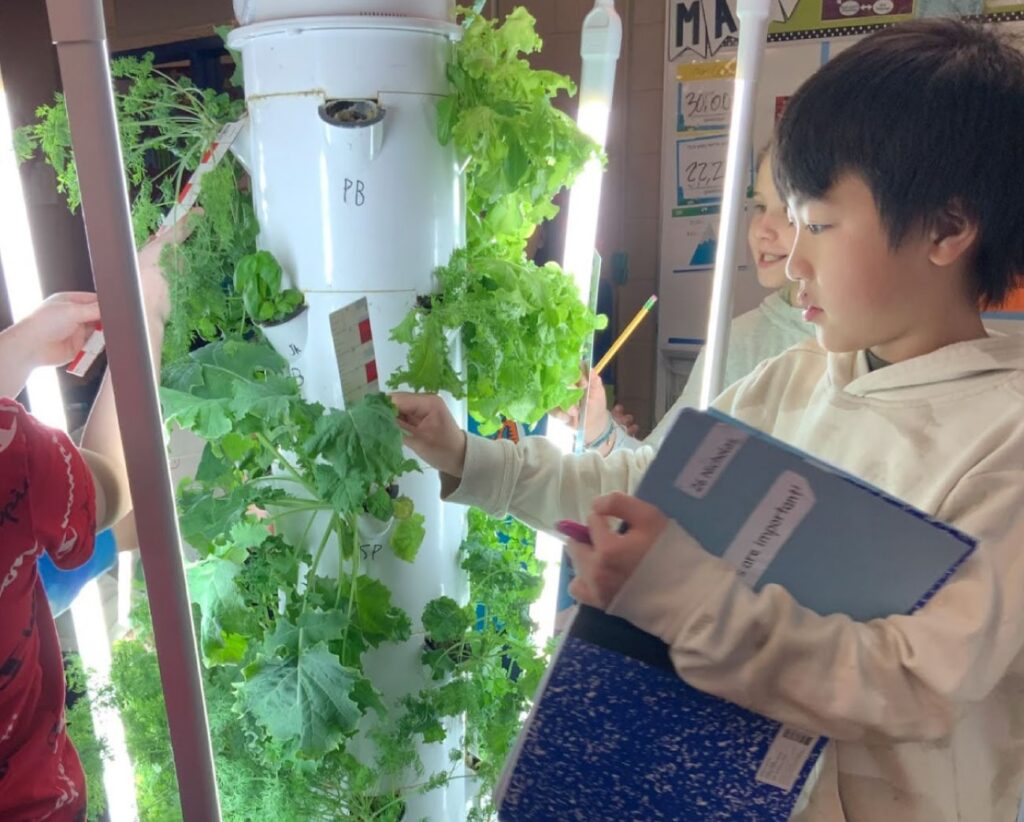
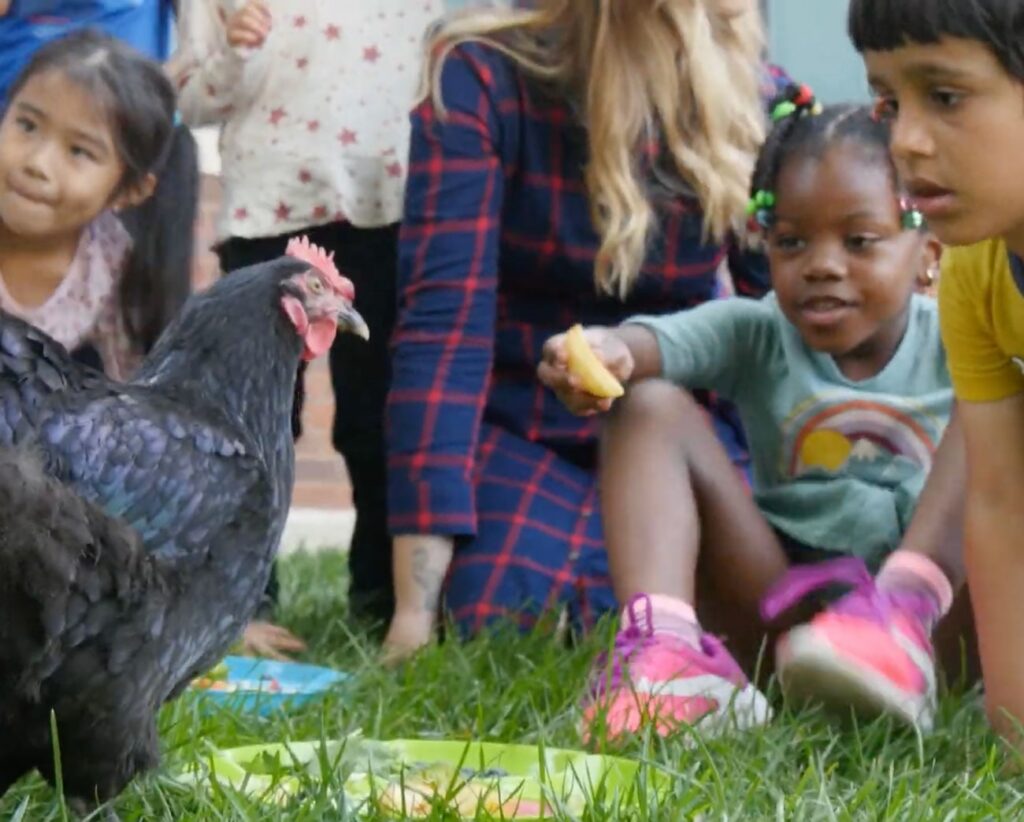
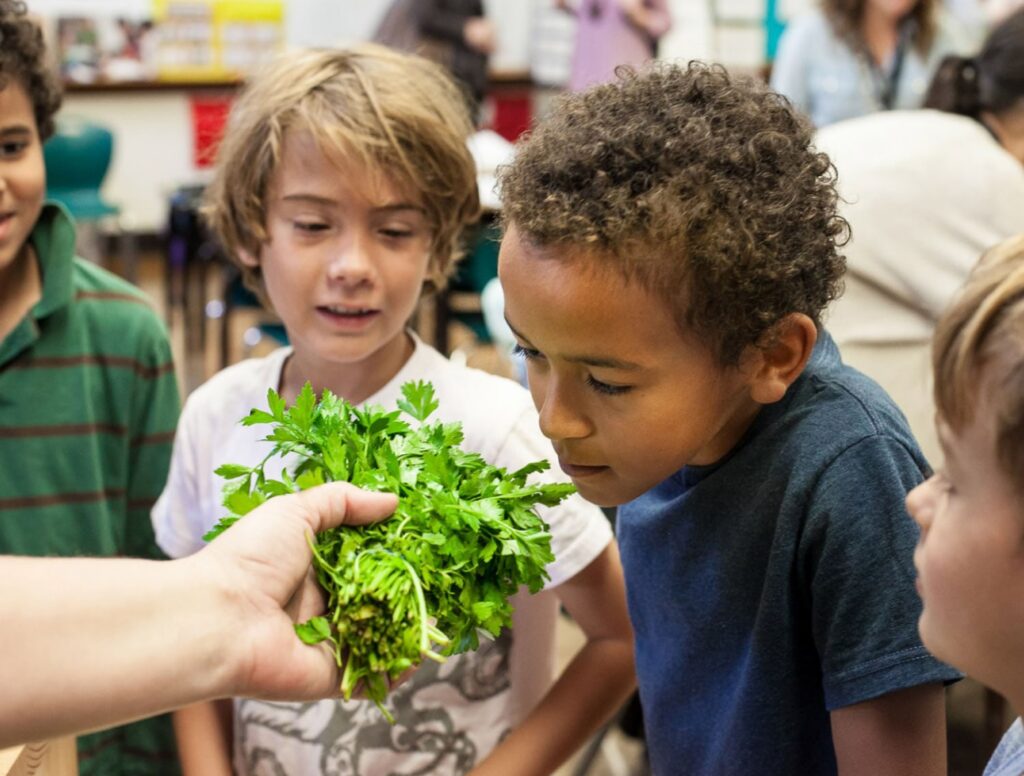
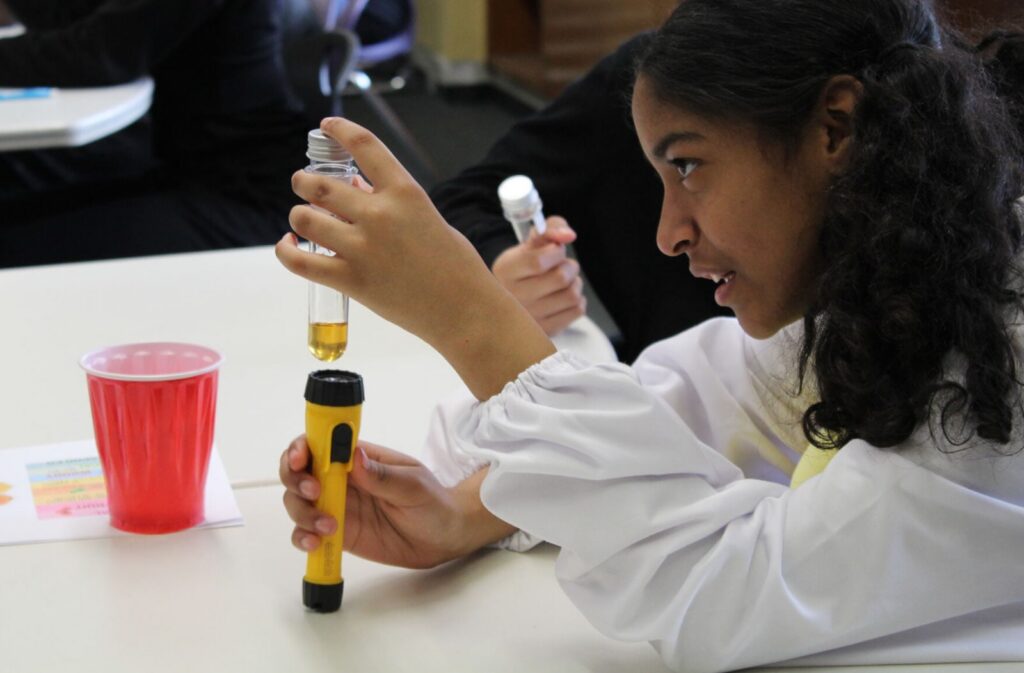
Since 2010, we have supported Pre-K-12 students with Food Education that is part of teachers’ classrooms and fosters informed food choices.
See the Impact
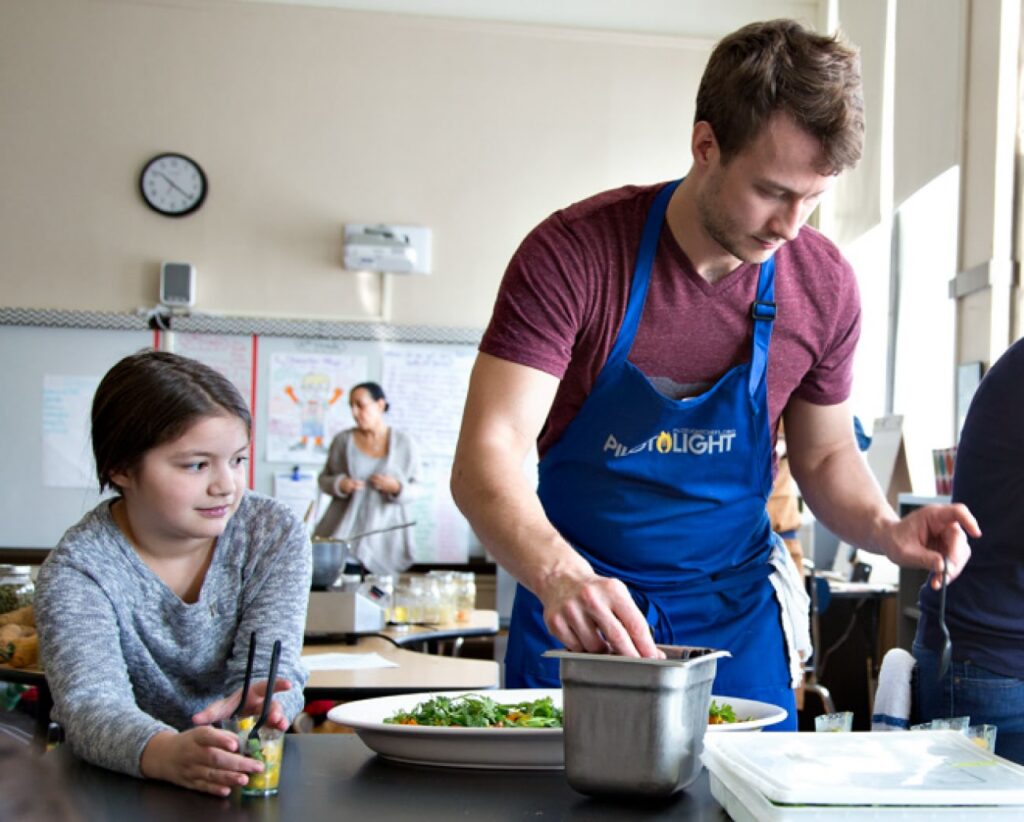
Learn from the experts: Pilot Light Educator Ryan Johnson shares the inside scoop on all things teaching science through Food Education! Connect our Food Education Standards and the NGSS to enhance your curriculum and improve student outcomes.
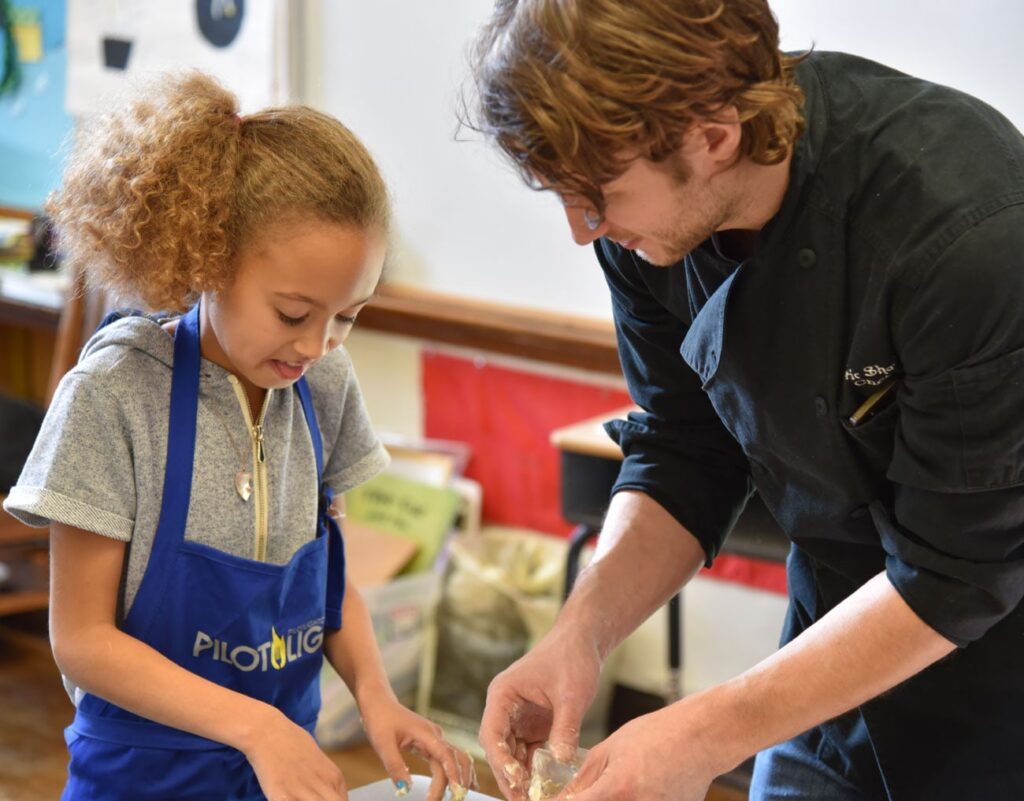
Every student deserves access to hands-on Food Education. Now, you can discover the incredible impact of your support by reading our latest Impact Report. Learn how Pilot Light teachers and students are creating a better food system future everyday!
Your gift in any amount supports Food Education in classrooms and communities throughout the year.
If your company matches gifts to nonprofits like Pilot Light, here are easy instructions on how to double the impact of your gift. We also have instructions on how to make a gift of stock.
We welcome you to sign up for our newsletter, contact us, and check out our blog!
We are looking for individuals who are passionate about Food Education and creating impact through our programs to join our team!
Nov
6
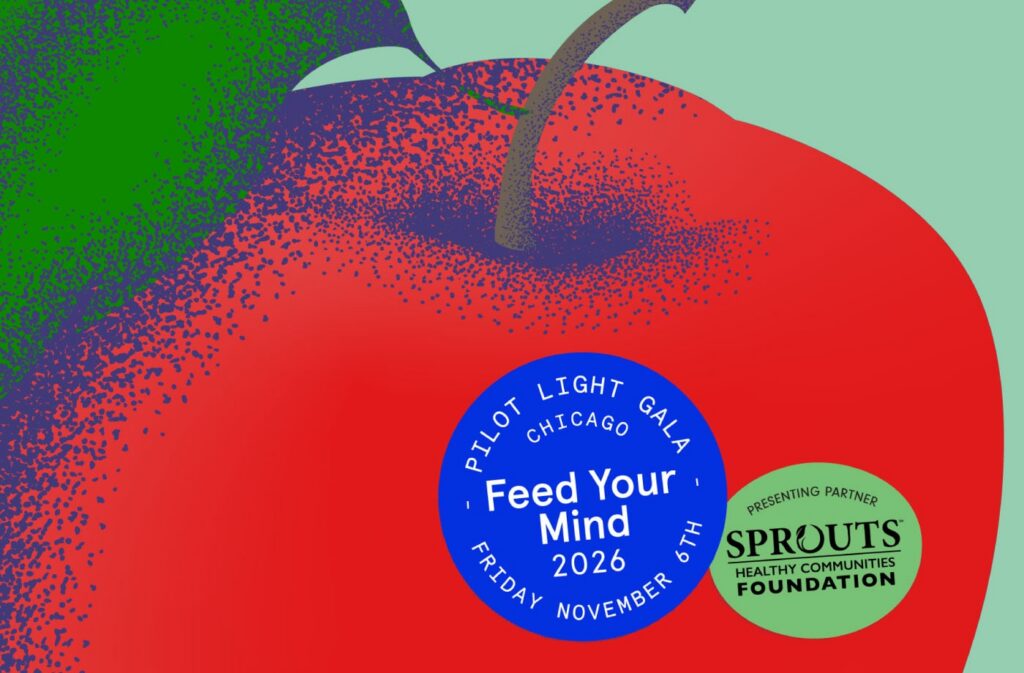
Pilot Light Gala 2026: Feed Your Mind
6:00 PMRockwell on the River (3057 N Rockwell St, Chicago, IL 60618)
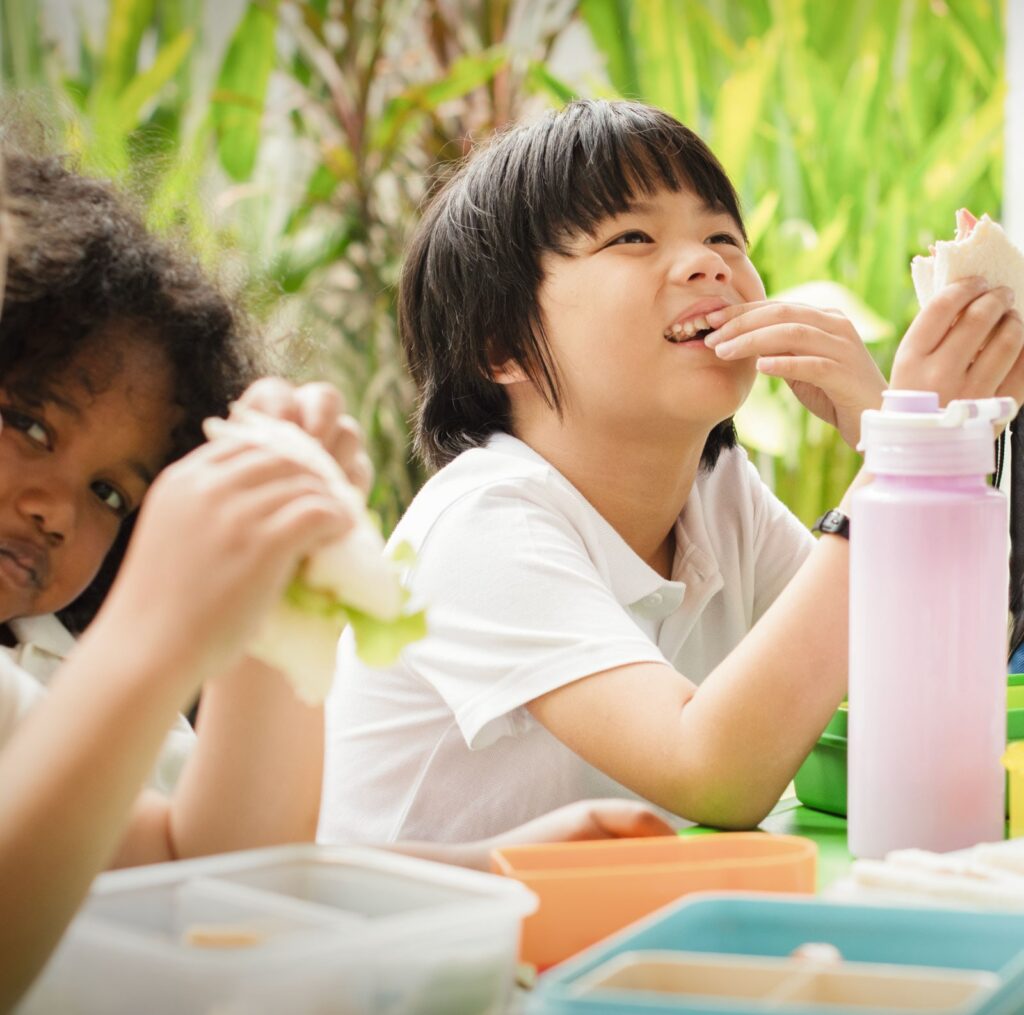
Students of all ages have the power to make a difference. Whether you share your snack with your classmate, cooking a meal for your local love fridge, or contacting your local lawmakers to increase access to nourishing food sources in your community, everyone has a role to play in shaping a better food future for us all.
Discover more food advocacy project templates and ideas on our free website: www.foodedu.pilotlightchefs.org 💚
We`re prepared to meet this moment - but we can`t do it alone. Join us in changing the narrative around Food Education today by making a secure, online donation to our mission at: https://pilotlightchefs.app.neoncrm.com/forms/donate-to-pilot-light---fy26-
MORE ABOUT SNAP-ED CUTS:
➡ Approximately 12 million Americans, millions of them children, participated in these community-based programs that enabled budget-friendly, nourishing cooking.
➡ SNAP-Ed reflected less than 1% of SNAP`s total budget.
➡ USDA studies have shown that SNAP-Ed programming was a financially wise investment in our nation`s well-being: for every $1 spent on SNAP-Ed, up to $10.64 was saved in healthcare costs.
SOURCES:
Wayne State University
Civil Eats
Utah State University