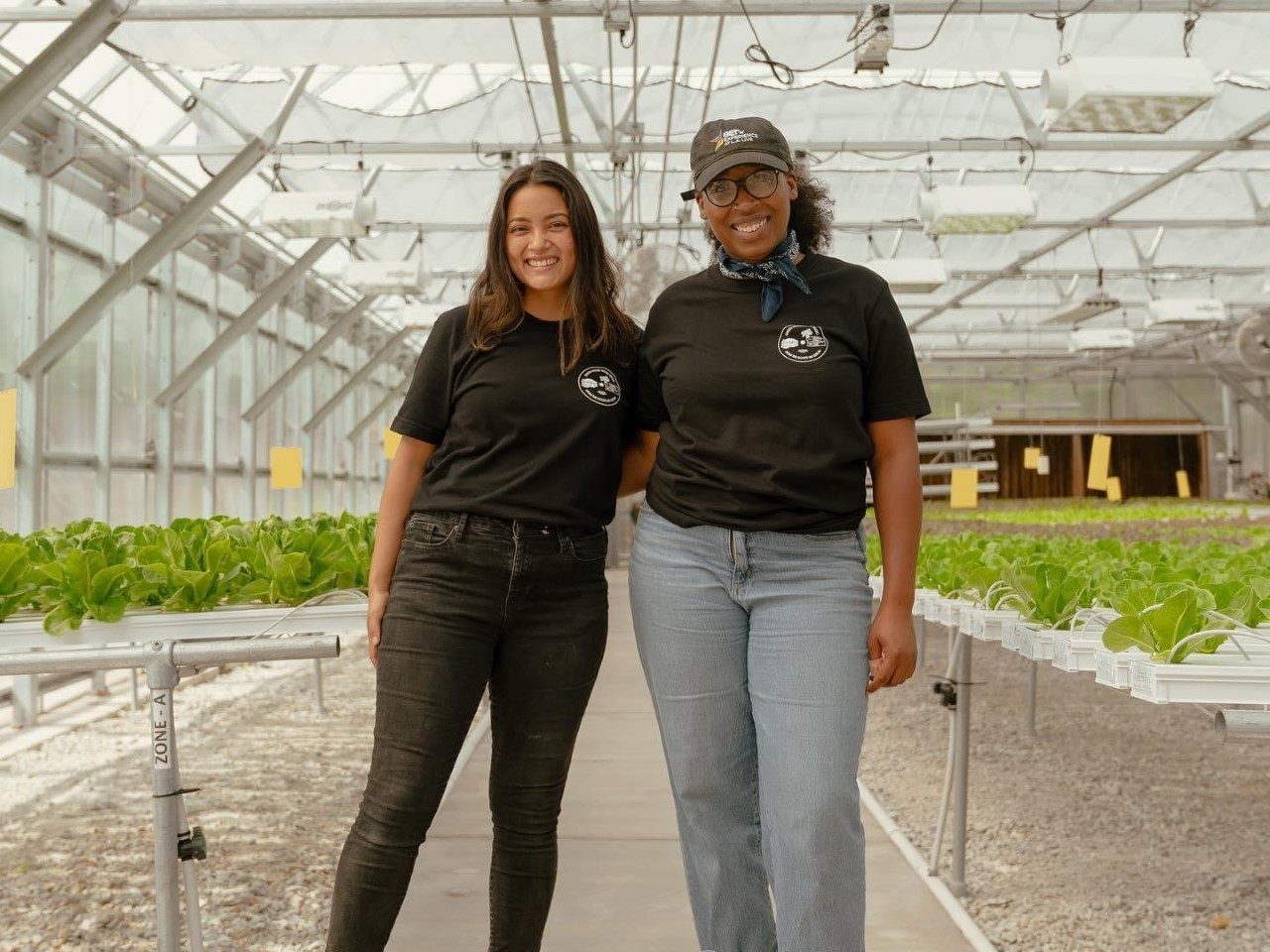
Each month, our Food Education Fellows learn about how they can apply a Food Education Standard to the lessons in their classrooms, and this month, we honed in on FES 3: Food and the environment are interconnected. As part of our professional development session in December, we are grateful to have collaborated with one of our community partners, Lucía León of Herban Produce.
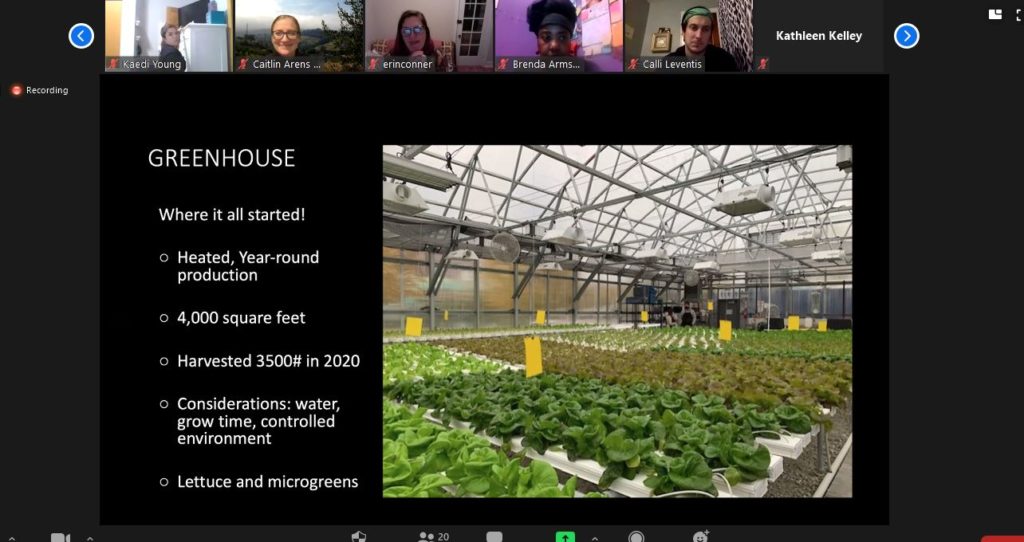
Established in 2013, Herban Produce (silent ‘h’ – ‘urban’) is a year-round farm located in Chicago’s Garfield Park that grows delicious, high-grade produce for restaurants, grocers, and direct-to-consumer Community Supported Agriculture (CSA). Below the soil, they are a for-profit farm that puts local employment and education at the forefront of their practices. They are firmly rooted in community, education, and sustainability and are committed to bettering our world through environmental stewardship.
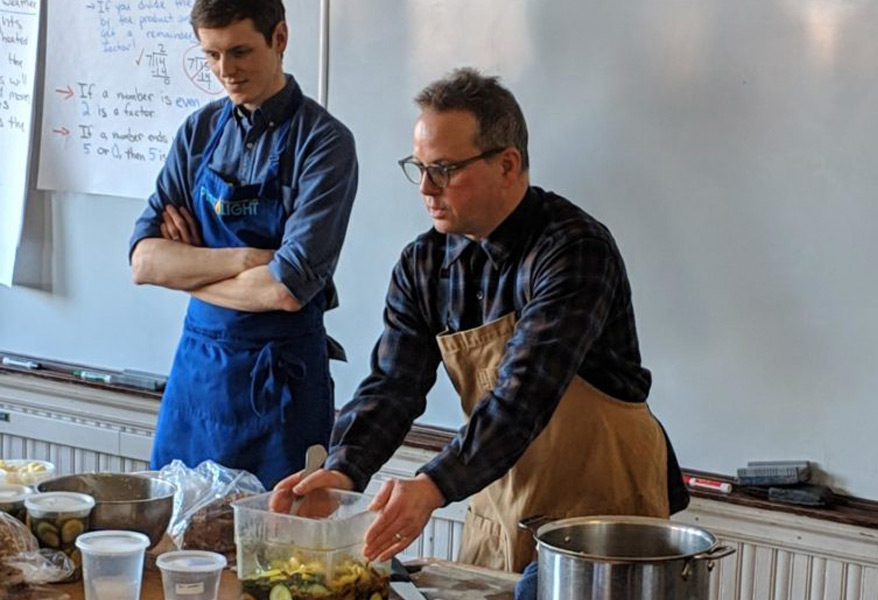
Lucía shared about how Herban’s diversified and resilient approach creates a thriving ecosystem that extends the growing season through the use of greenhouse hydroponic growing, outdoor raised beds (and the cover crops that follow the vegetables), A-frames, orchard trees and bushes, and last, but certainly not least, a prairie of perennials native to our region and key to attracting pollinators and building soil health. Additionally, Herban Produce is working with The Roof Crop to provide Pantry Boxes (that accompany a food education lesson) for 31 students in a Fellow’s classroom with items from small scale Chicago-based packaged food brands. Definitely check out their work and snag some of their incredible produce or pantry box items at their website: https://www.herbanproduce.com/
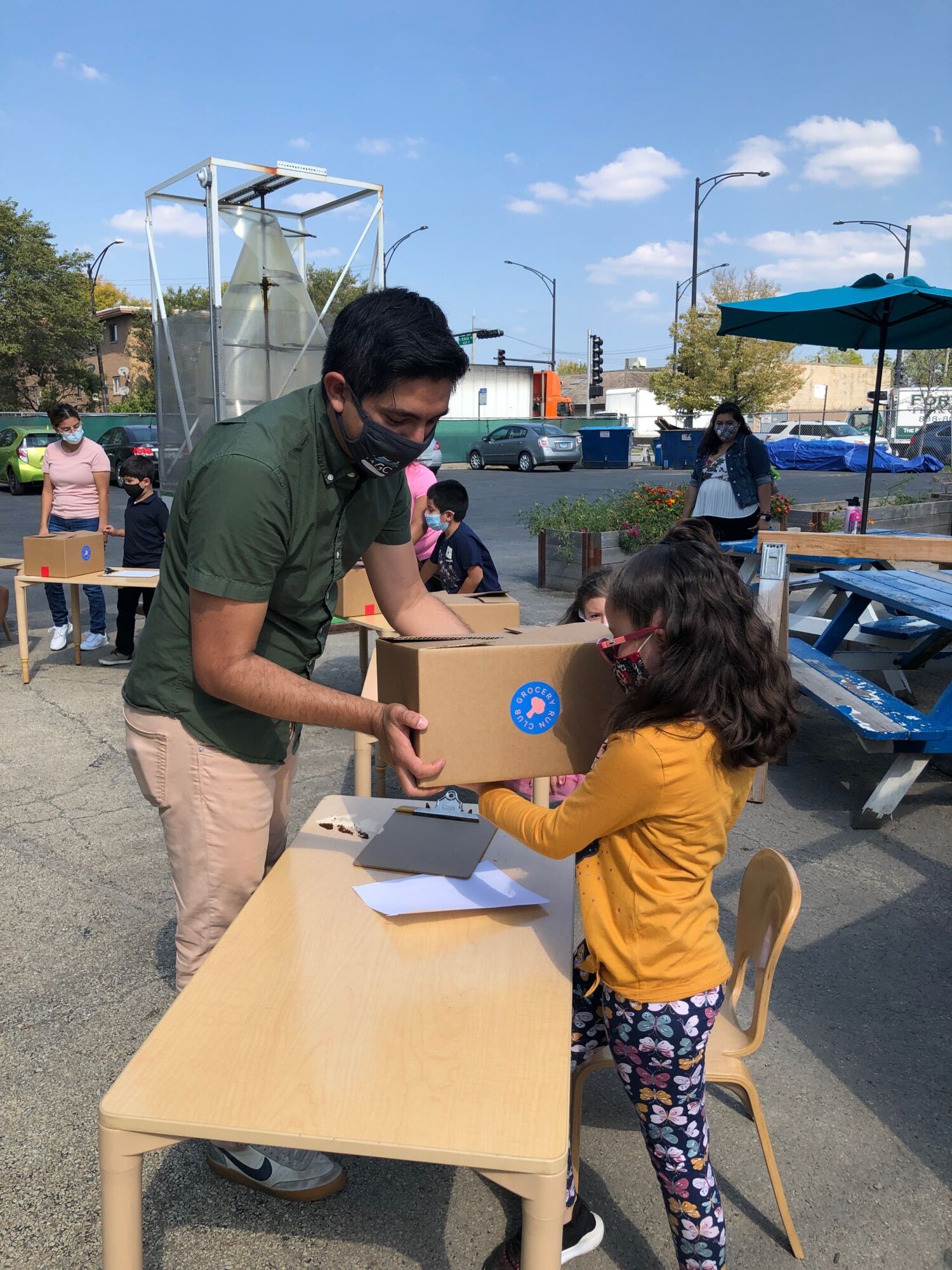
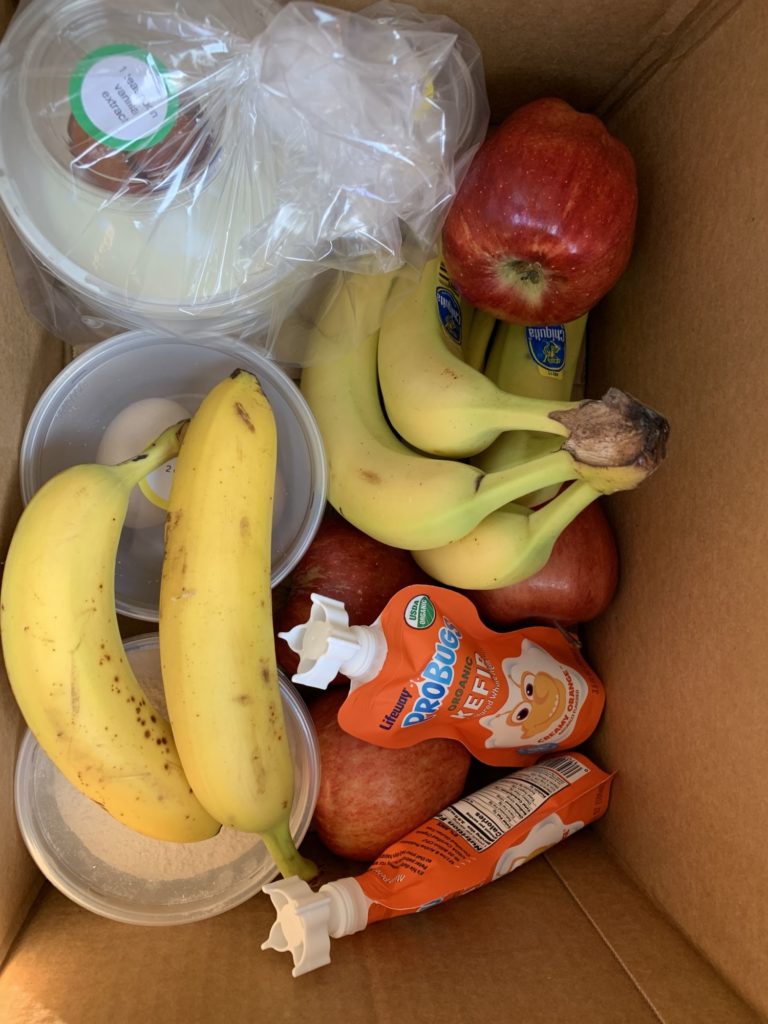
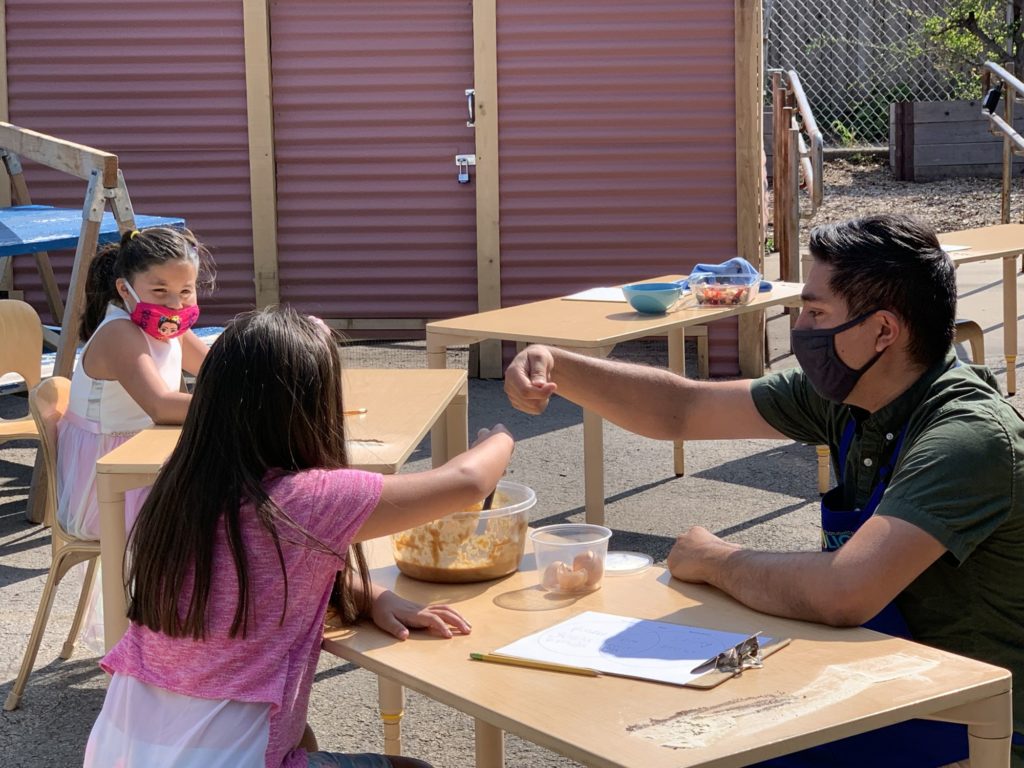
We’re immensely grateful to build on the work going on in communities across Chicago to support students and families. This September and October, we kicked off a very special bi-monthly partnership with the Academy for Global Citizenship and Grocery Run Club led by Pilot Light Fellow and 2nd grade teacher Iván Sarabia of Academy for Global Citizenship in which 104 produce boxes supported an entire class of families’ food necessities and additionally included all the ingredients for two hands-on food education lessons developed and led by their teacher. Recipes for boxes and additional items were compiled after continuously seeking feedback and ideas from families while also assuring every item was either part of the recipe or had accompanying details around its use to assure nothing would be wasted.
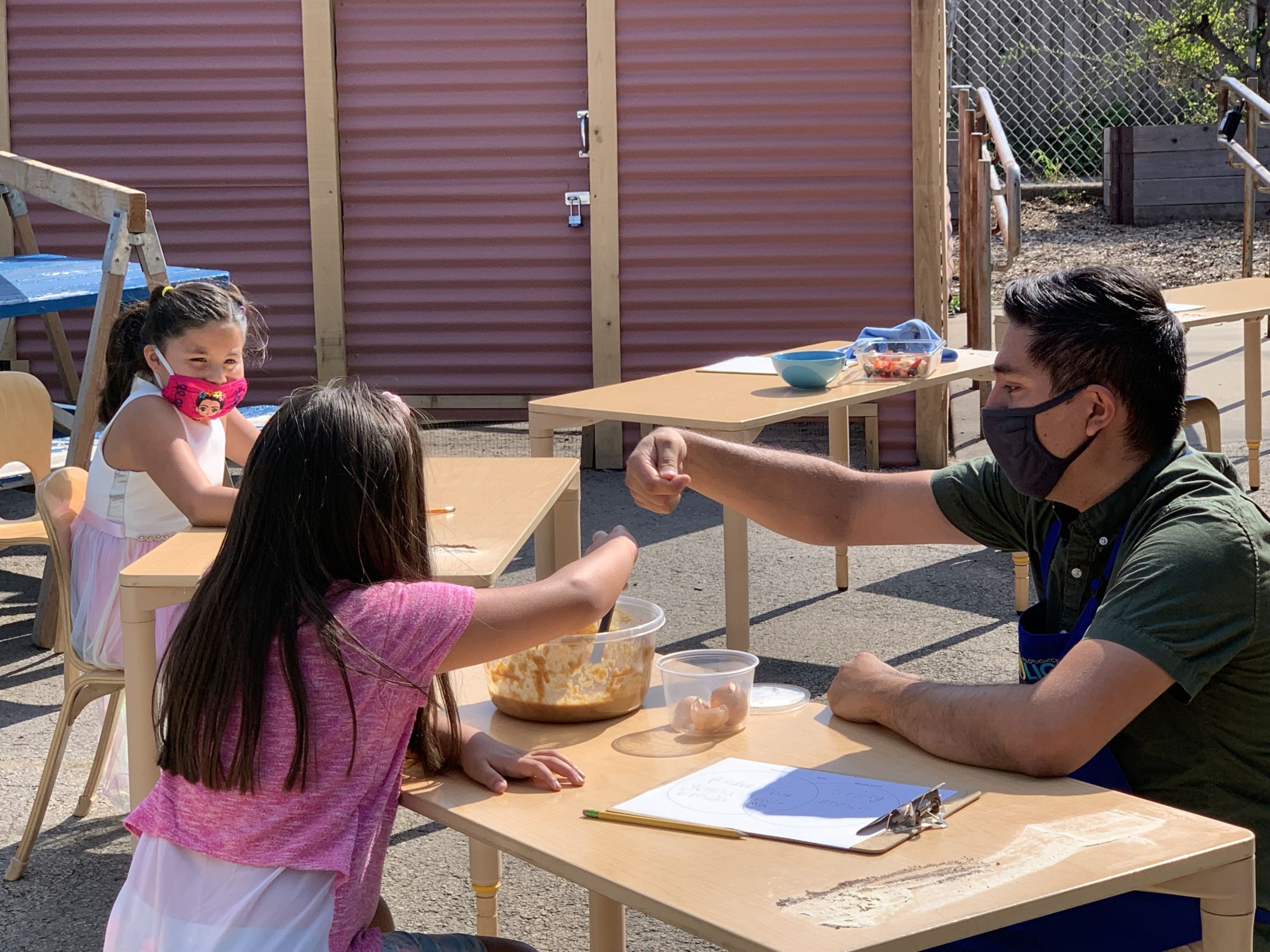
Iván’s lessons used food as a lens to learn about matter. In his first lesson, Iván compared and contrast two different mixtures of ingredients – banana bread batter and fruit salad. Iván asked students: is it possible to remove the individual ingredients of each mixture in order to describe them? Students answered: it depends on the mixture and what state of matter it is in!
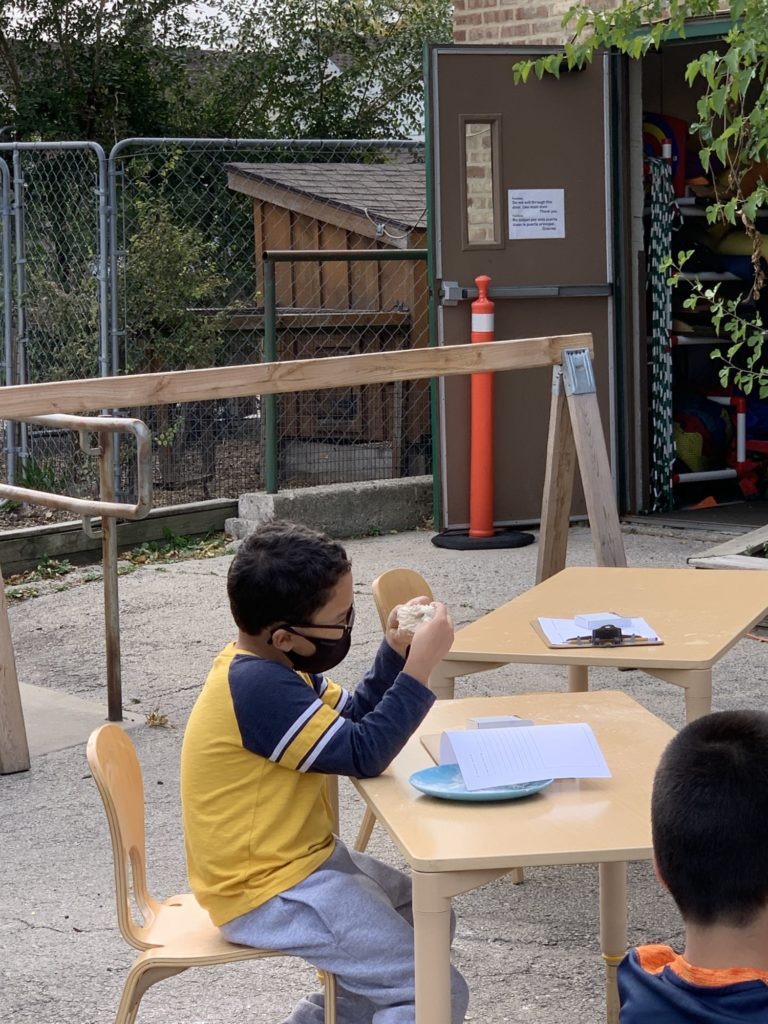
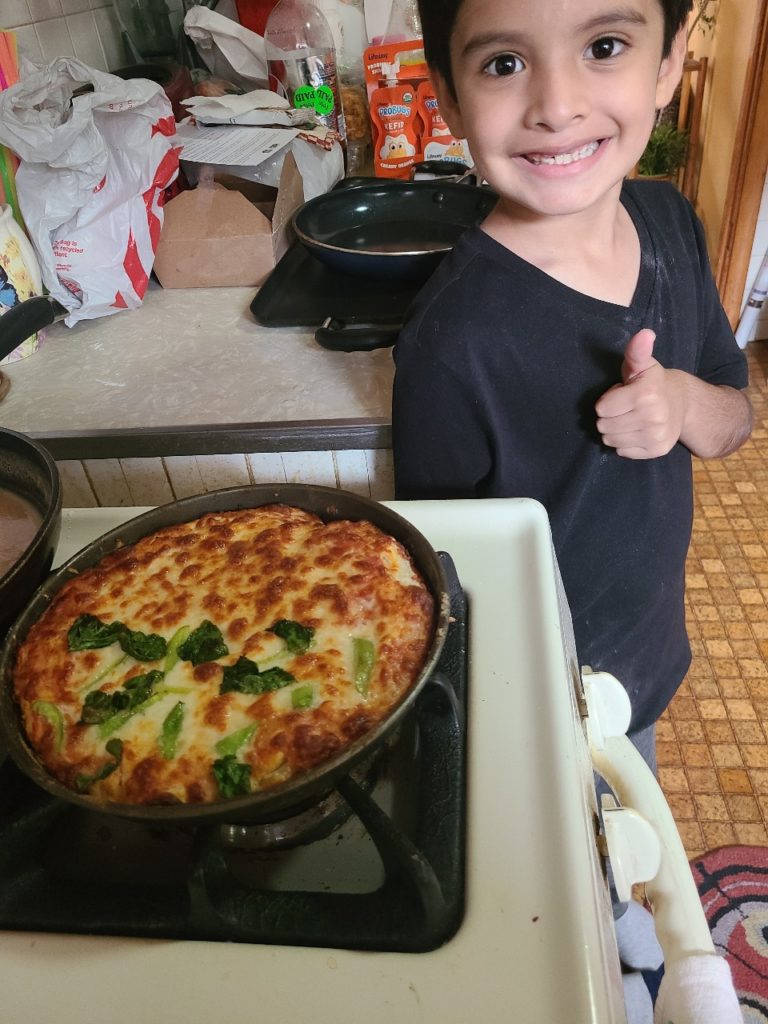
Building off the first lesson (and on another 70-degree day in Chicago!) and students’ knowledge, the second lesson used pizza as a lens (with dough and sauce from our friends at Pizza Lobo) to learn about how heat can transform matter into a different state: dough being a slow-moving “liquid” that, once heated, becomes a solid that doesn’t move!
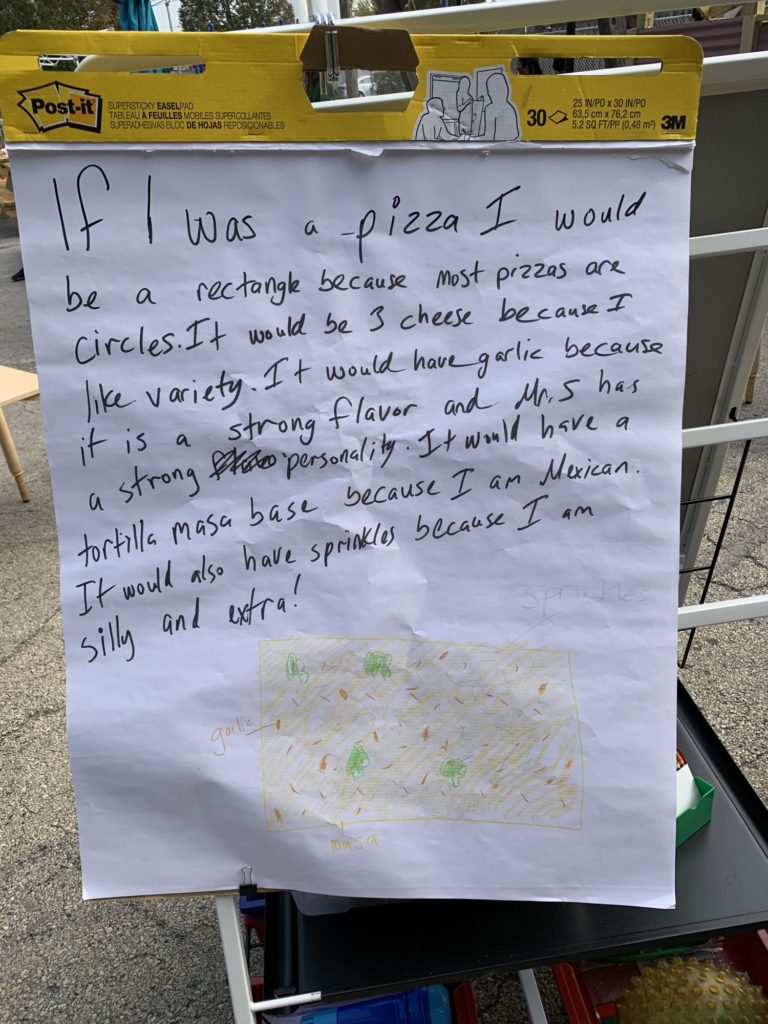
Students used descriptive words to compare and contrast the cheese and dough before and after it was cooked. Iván then tasked students to create a pizza, any pizza at all, that represented their identity by selecting ingredients that were metaphors to personality traits! We think we learned a bit more about one another by sharing our pizzas!
In both lessons, students were able to attend the lesson outdoors at their school’s parking lot and pick up a kit to bring home or opt to attend virtually and have the box delivered to their home by Grocery Run Club’s own rockstars, CPS alumni, and longtime friends of ours: Lucía Angel and Jorge Saldarriaga. Boxes also included recipe cards designed by the ever-talented Leila Register and locally grown basil and greens for a fresh salad from Gotham Greens.
We’re so excited to grow this program together and continue to bring food education to life this school year! A huge thank you to our Fellows who are doing this work and share our mission of supporting students, the future and current changemakers all around us, in bridging the lessons they learn in their classrooms to the foods on their lunch trays, at home, and in their communities!
You can support the lovely folks at Grocery Run Club by checking out their mission as a community-driven initiative partnering with organizations to supply fresh produce and everyday necessities to underserved neighborhoods in Chicagoland by checking out their website: https://www.groceryrunclub.com/
NEW PARTNERSHIP TO BRING FOOD EDUCATION TO URBAN SCHOOL DISTRICTS ACROSS THE COUNTRY
Pilot Light and Urban School Food Alliance Team Up for Food Education Initiative to Promote Good Health and Nutrition
WASHINGTON – As many children return to virtual learning and millions of families continue to struggle with access to healthy food, it’s more critical now than ever to provide food education to young students and help them understand the importance of good nutrition. Today, Pilot Light and Urban School Food Alliance (USFA) join hands to provide this programming in urban school districts. Food connects us and has a deep impact on our culture, relationships, history and environment; this concept is deeply ingrained in Pilot Light and USFA’s missions. Pilot Light’s curriculum incorporates lessons that integrate food as a lens for traditional subjects, like math, reading, history and science, to ensure food and nutrition are included in everyday conversation. This partnership will expand Pilot Light’s food education program nationwide with the help of the diverse and large school district network of USFA, starting with programs in New York City, Los Angeles and Orlando.
“Food education is so important, especially right now. Through food, students can learn more about themselves and each other, and it brings people together, ” says Founding Chef of Pilot Light Jason Hammel. “We’re excited to be working with the Urban School Food Alliance to help forge these connections for students and teachers in LA, NYC, and Orange County.”
Ten years ago, in the city of Chicago, Pilot Light sought to create a cohesive model and curriculum for food education in the classroom to encourage students to develop the critical thinking skills necessary to make healthy choices. In partnership with highly-motivated K–12 teachers with an interest in implementing food education lessons consistently in their classroom, the program has grown to engage more than 12,000 students across Chicago. Today, this curriculum has proven adaptable as teachers in NYC, Chicago, Orange County and LA are navigating virtual and socially distanced teaching. With lessons like “Eggs Around the World”, “Eating Pasta Together” and “Matter through Banana Bread”, students are learning how food is made and shared. Pilot Light’s lessons and resources are available to all at no cost on its Food Education Center.
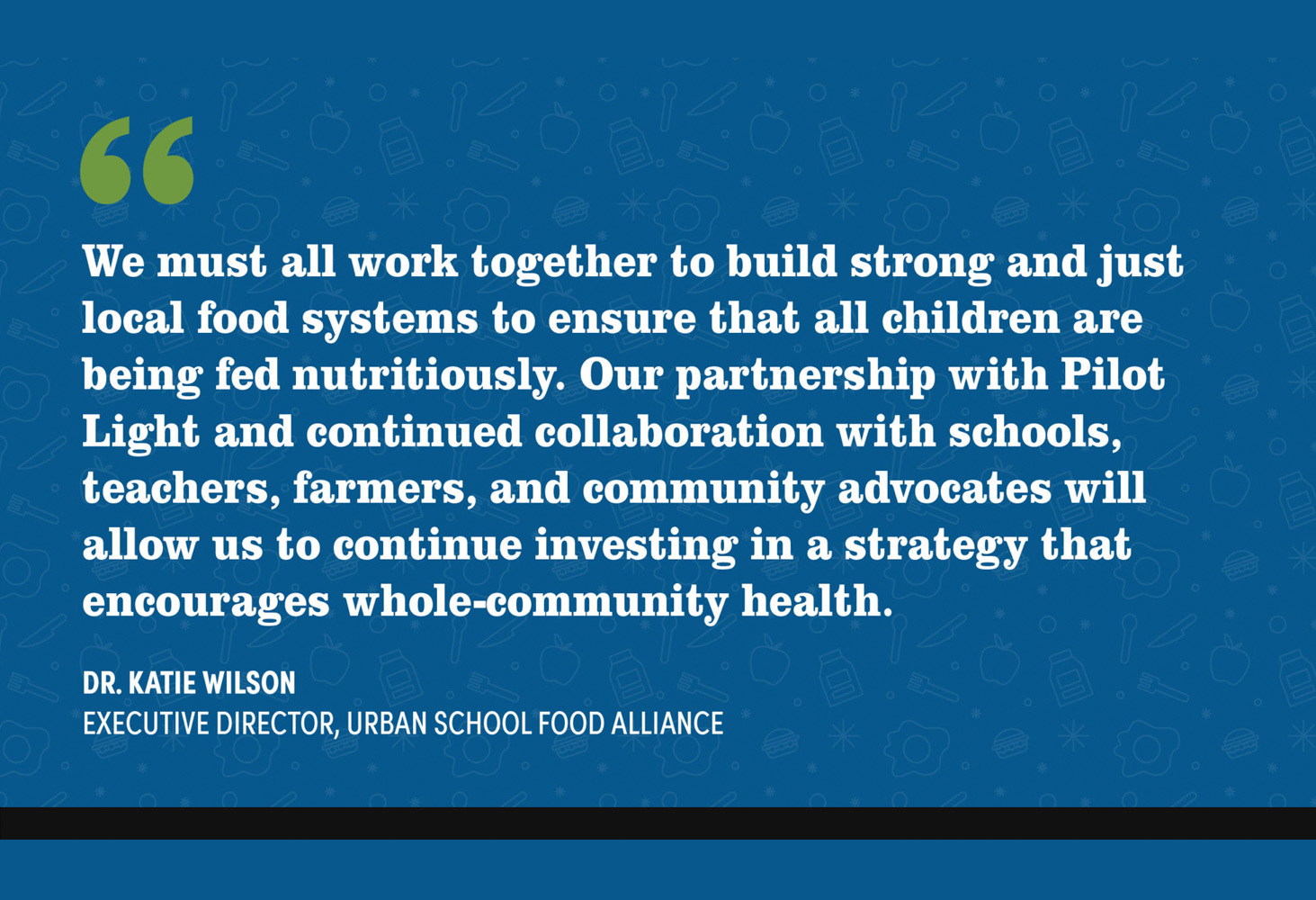
“As we celebrate National School Lunch Week and Farm to School Month, this partnership provides a great opportunity to shine the light on the importance of health and healthy school lunches and the connection food has in so many aspects of our lives,” says Dr. Katie Wilson, Executive Director of Urban School Food Alliance. “We must all work together to build strong and just local food systems to ensure that all children are being fed nutritiously. Our partnership with Pilot Light and continued collaboration with schools, teachers, farmers, and community advocates will allow us to continue investing in a strategy that encourages whole-community health.”
Pilot Light and USFA are committed to boosting student achievement and educating young people about healthy choices and lifestyles. Creating a robust, equitable, quality-focused and integrated curriculum is critical during this pandemic. For many of our nation’s children, school and school meals are the best safety net we have to help children be healthy and successful not only in the classroom but also in their communities. Food systems and nutrition must be a part of the conversation as we talk about the future and our children’s wellbeing.
About Pilot Light
Pilot Light is a 501(c)(3) nonprofit organization that supports students as they learn and advocate for informed choices by bridging the lessons, they learn in their classrooms to the foods on their lunch trays at home and in their communities. Learn more about Pilot Light at PilotLightChefs.org.
Looking for a fun dessert recipe to make over the long weekend? Try this recipe for Coconut Fruit Tarts! We recommend using your favorite late summer fruit to make it your own! You could try this recipe with stone fruit, blueberries, raspberries, apples, your favorite melon, tropical fruit, or even your own combination! Find this recipe on our blog at the link below.
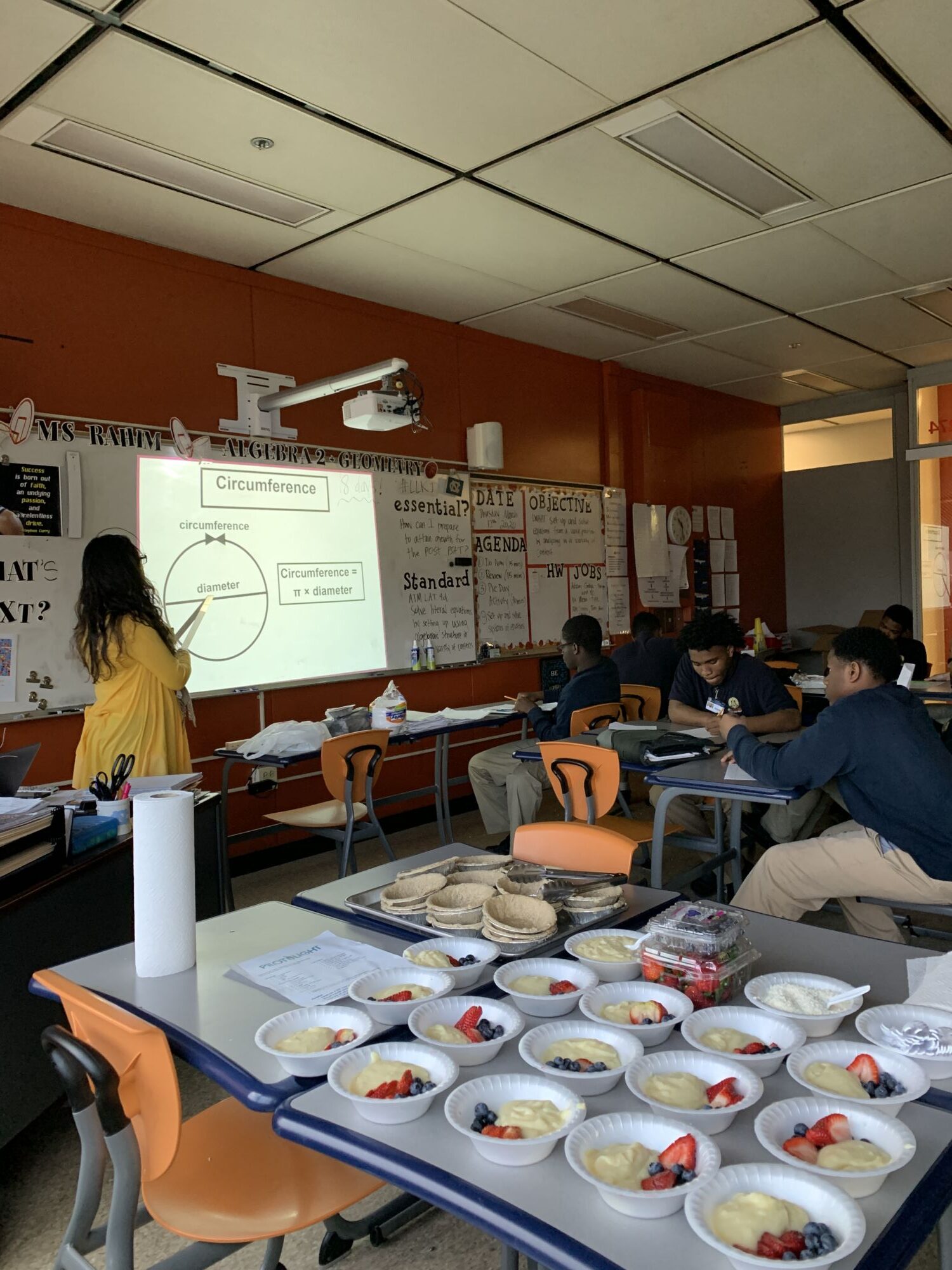
And because we are always thinking about how food is connected to what students might be learning in upcoming math lessons, we thought we would throw it back to a delicious food experience with this very recipe from last March in Pilot Light Fellow Marria Rahim’s Geometry classroom. Students at Butler College Prep celebrated Pi Day by measuring and looking for circumference and area in their daily lives, calculating it for their individual pies, and then building and plating their own pies.
Butler College Prep Pi Day
Coconut Fruit Tarts
Serves 8 (5 inch) tarts or 1 large (10 inch) tart
Tart Dough:
½ c unsalted butter
½ c sugar
¼ tsp salt
1 egg
1 ¾ c all-purpose flour
Coconut Pastry Cream:
1 c coconut cream
1 c milk (preferably whole)
½ c sugar
3 T cornstarch
2 eggs
¼ c butter, cut into cubes
⅛ tsp salt
½ tsp. vanilla
Fruit Topping:
½ papaya, seeded and cubed
½ pineapple, cut in triangles
2 bananas, sliced
½ c blackberries, sliced in half
½ c blueberries
1 kiwi, peeled and sliced
1 orange (any type), segmented
1/3 c unsweetened coconut, toasted (to garnish)
Equipment/tools
Equipment: Range (burner), oven, tart pans (or metal disposables)
Preheat oven to 350F. Cream butter, sugar, and salt until smooth either in a mixer or by hand with a wooden spoon. Add egg and mix until combined.
Add flour and mix until just incorporated and there are no longer any dry streaks of flour.
Divide dough in half and pat to 1/2-inch thick. Wrap and chill for one hour or up to overnight.
On a lightly floured work surface, roll dough to 1/4-inch thickness. Cut out 8 circles (or 1 if using one pan) a little larger than the tart mold. Transfer each to tart mold, pressing it gently into place.
Dock the bottom of each tart shell with a fork. Bake for 15-20 minutes until golden brown in color.
Let cool to room temperature on wire rack, and meanwhile, make the coconut pastry cream.
Pour coconut cream and 3/4 cup milk into a large heavy-bottomed sauce pot. Whisk together and place over medium heat. Bring it to a simmer.
Meanwhile, whisk together sugar and cornstarch and add in remaining 1/4 cup milk and eggs.
Reduce milk mixture to low heat. Slowly add about 1/3 cup of the hot milk mixture into the cornstarch mixture. Whisk constantly and continue to add milk and whisk until only about 1/3 of milk is left into sauce pot.
Pour all of cornstarch-milk mixture back into the sauce pot. Increase to medium heat. Whisk constantly until thickened to a custard. Allow mixture to come to a boil for 15-30 seconds to remove cornstarch flavor. Remove from heat.
Whisk in butter until smooth. Add in salt and vanilla and continue whisking. 12. Pour hot pastry cream into a container or spread onto a plastic-lined sheet tray to cool quickly. Cover with the surface of pastry cream directly with plastic wrap. Cool to room temperature in the fridge and cover once cooled.
Once chilled, fill each tart with ¼ c pastry cream. Top with sliced fruit and arrange to your choosing.
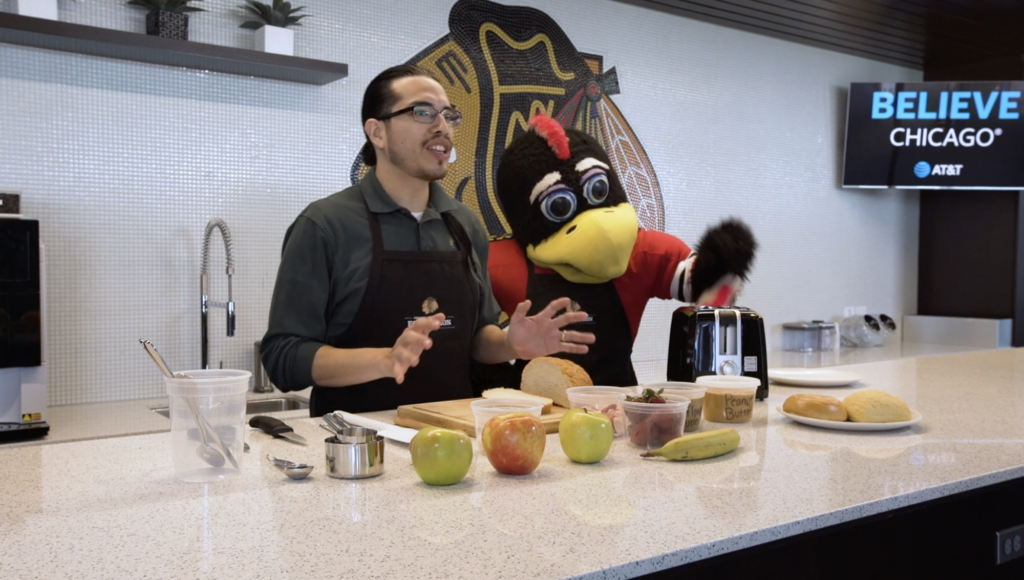
Pilot Light was excited to partner with Chicago Blackhawks Foundation for the Blackhawks Virtual Summer Camp this summer. In collaboration with Pilot Light, the camp’s marquee session each week focused on nutrition and culinary skills through the Chicago Blackhawks Foundation’s Healthy Hawks program, presented by AT&T Believe Chicago.
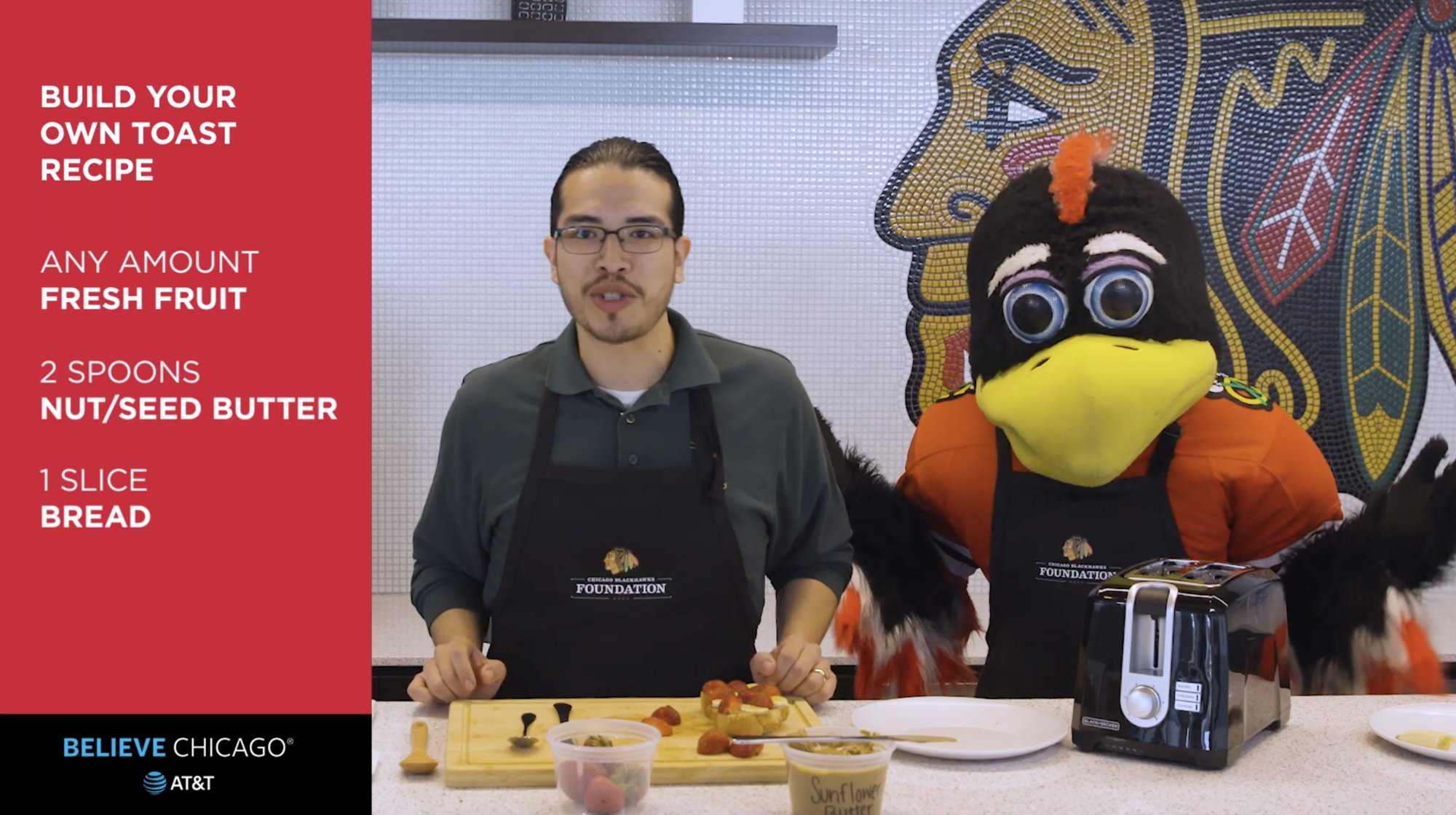
Healthy Hawks is typically a summer field trip to Fifth Third Arena, the Chicago Blackhawks Community Rink, that teaches children about making nutritious food choices and fueling their bodies for exercise. In this third season of the program, offered virtually during the COVID-19 pandemic, nearly 240 kids from across Chicago tuned in as Pilot Light fellow Bryan Soto from Academy for Global Citizenship cooked alongside Tommy Hawk to coach campers on how to make four different healthy snacks.
Before making their recipes, campers listened to players reflect on how daily food choices can fuel their bodies for the demands of exercising followed by a food education lesson on the nutrition of each recipe. Campers were then encouraged to “practice” and check their understanding of nutrition concepts by answering a few questions. Finally, to make connections between their own decision-making, campers cooked alongside Bryan to make four healthy snacks using a mix of familiar and new fruits, vegetables, nuts, seeds, and grains. Snack recipes were designed by Pilot Light to focus on accessible ingredients, different food groups, and nutrient-density all while being kid-friendly and adaptable based on whatever ingredients campers had in their home kitchens. Recipes included Trail Mix, Build Your Own Toast, Tortilla Roll Ups, and Energy Bars.
In addition to the video food education lessons and recipe demonstrations through Healthy Hawks, each week also featured supporting activities focused on physical fitness and arts & crafts that are ideal for kids ages 8-12 who may have missed out on their traditional summer camp or other youth activities due to COVID-19 health and safety concerns!
Thank you to the Chicago Blackhawks Foundation and to Pilot Light Fellow and Academy for Global Citizenship’s own Health and Wellness teacher, Bryan Soto, for making this wonderful experience possible!
If you’re still looking for an activity for remote learning this Fall, stay tuned to the One Community page for resources and be sure to check out the Food Education Center for lessons, videos, and additional resources.
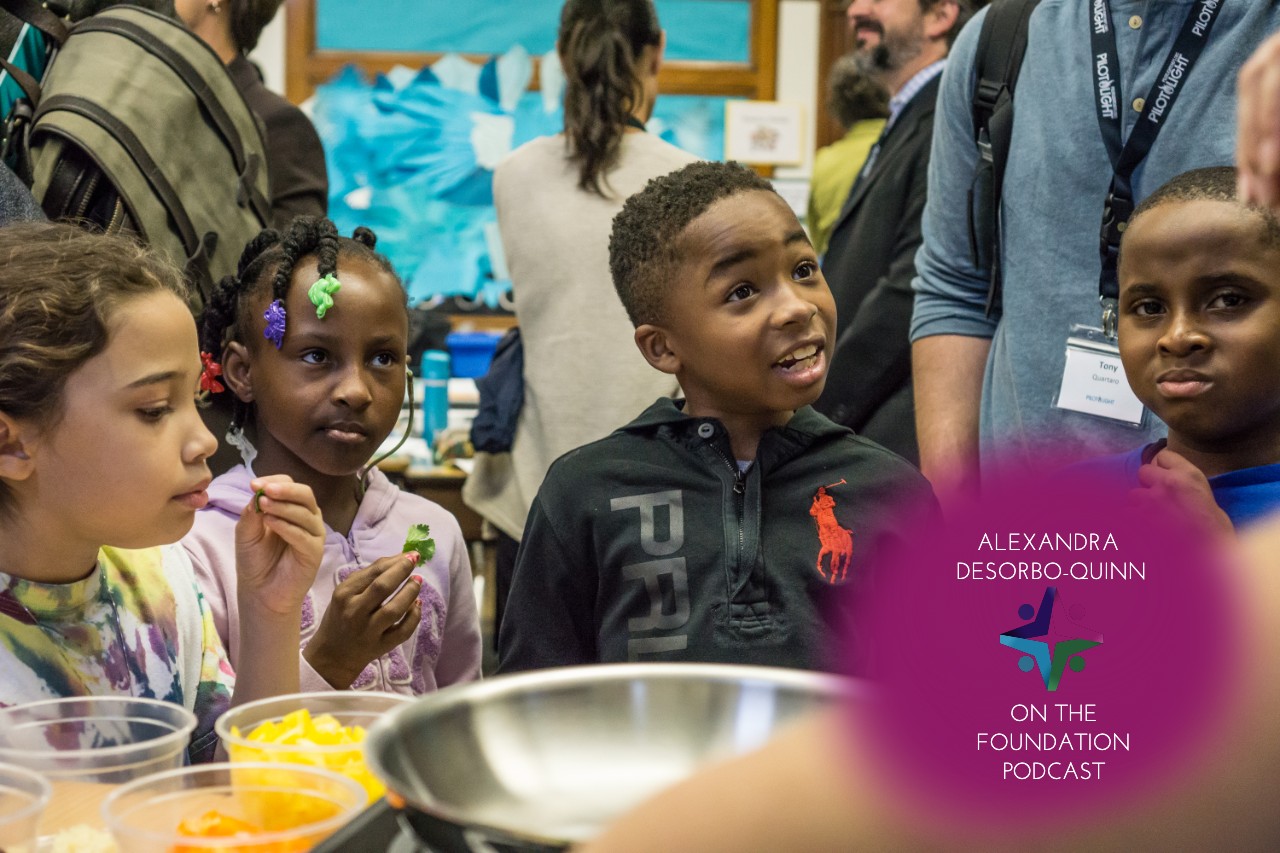
We caught up with Todd Schnick at the Todd & Stephanie Schnick Foundation Podcast last month to talk about how our #PLFamilyMeal lessons and videos are designed to support educators, families, and youth during this time of distance learning through the act of sharing food.
We also talked about what a food integrated lesson looks like by sharing the story of 2020-2021 Fellow Leah Guenther’s December lesson on Upton Sinclair’s “The Jungle”. Students at Dewey Elementary read “The Jungle,” a novel originally published in 1905 that exposed the harsh and unsanitary working conditions in the meat-packing industry in Chicago, engaged in a live lesson with Rob Levitt on how to butcher a pig while learning about the craft and role of the butcher in honoring the animal by utilizing the whole animal to create delicious foods.
Looking for a science lesson on fermentation and a recipe to feed your crowd? Try this recipe for quick pickles from our chefs! Discover how immersing them in vinegar not only allows them to keep in your refrigerator but also changes their flavor, texture, and smell!
Quick Pickles
Makes 4 cups
3 medium cucumbers, thinly sliced, divided (slice a piece and try it raw to compare!)
2 cups of white vinegar
2 cups of water
1 tablespoon of salt
2 tablespoons of sugar
1 bay leaf
10 coriander seeds
2 small sprigs of dill
Thinly slice the cucumbers and place them into a container that will allow you to cover with pickling liquid. Taste a slice of the raw cucumber and note the flavor, texture, and aroma — this will change drastically once we pickle it!
Make the pickling liquid by placing the water and vinegar into an electric kettle or pot, and bring to a boil.
Place the salt, sugar, bay leaf, dill, and coriander seeds into a bowl or container that will fit the water and vinegar.
Once the water and vinegar reach a boil, pour over the other ingredients. Whisk to dissolve the sugar and salt and then pour over the cucumbers.
Allow the cucumbers to cool and then cover and place in the fridge. Allow the cucumbers to sit for at least three days before eating. These pickles will keep for up to one month in the fridge.
Taste the cucumbers — use your five senses to compare the pickles versus the raw cucumber slice you tasted at the beginning.
With the support of the Chan Zuckerberg Initiative, Pilot Light has had the wonderful opportunity to collaborate with The Primary School to learn from one another and explore potential ways to share our food education model with their students and families. The Primary School, which was co-founded by Priscilla Chan and Meredith Liu and opened its doors in East Palo Alto, California in 2016, integrates academics with health care and family support services, all of which are offered tuition free. We had originally planned to begin our collaboration by Pilot Light visiting The Primary School this spring (and vice versa), but with the COVID-19 travel restrictions in place we have come up with some new and exciting ways to advance our partnership.
Prior to COVID-19, The Primary School hosted parent groups to surface parents’ own wisdom in creating balanced meals that celebrate cuisines from diverse cultural backgrounds. Families also had the opportunity to meet individually with The Primary School’s parent wellness coaches and their child’s teachers to set goals around building nutritional habits at home through preparing meals with their child, eating as a family and encouraging their child to try new foods.
To support The Primary School’s students and families in being able to experiment in the kitchen during this challenging time of COVID-19, Pilot Light has provided Family Meal videos where chefs and teachers demonstrate how to cook certain recipes at home with children and their families. So that families can recognize familiar faces in the videos, The Primary School’s staff have filmed themselves modeling the Family Meal content and shared the videos via their remote learning platform. Now, families are preparing the Family Meal recipes at home, capturing their creations and sharing them back to their fellow classmates and teachers.
“These Family Meal videos have helped some of our families practice their nutrition goals in a fun, tangible way, and – perhaps more importantly – allowed for moments of family connection and exploration in the kitchen!” said Jessa Culver from The Primary School. “We’re excited to continue to offer these resources to our families over the summer!”
View all the free Family Meal videos, recipes and lesson plans at Pilot Light’s Food Education Center.
Looking for a delicious, easy to make recipe this Memorial Day? Try our quick and easy Pasta Salad!
Pasta Salad
Makes 5 cups
1 lb. dry pasta (preferably rotini, but anything works!)
½ c canola or vegetable oil
4 TB lemon juice (juice of ~ 1 lemon)
4 TB red wine vinegar
½ tsp. mustard (dijon is best, but anything works!)
2 tsp. oregano, dried
2 tsp. dill, fresh, chopped
2 ea Bell pepper (any color works, but I like red or green), diced
1 ea large cucumber, diced
½ bunch scallions/green onions (optional)
1 c feta cheese, diced (optional)
Salt and pepper, to taste
Equipment/tools
Equipment: Burner or stovetop
Tools: Chef knife, cutting board, mixing bowls (2), whisk, tongs or wooden spoon, large pot (to cook pasta), measuring cups and spoons, and colander (to drain pasta)
Procedure
Fill a large pot with cold water and bring to a boil. Add salt to taste to water.
Cook noodles 7-9 minutes until they still have a slight bight (“al dente”). Drain noodles in a colander and run under cold water until cold.
Meanwhile, mix liquids (oil, lemon juice, and vinegar) with spices (dill, oregano, and salt/pepper) to make dressing. Add mustard and whisk until combined.
Add chopped peppers, cucumber, scallions (if using), and cheese (if using) with noodles in a large mixing bowl. Pour dressing over and mix with tongs until combined.
Season with salt and pepper to taste, and let marinate at least 1 hour to develop flavors.
**Note: you may use whatever vegetables you like! I enjoy this with tomatoes and green peppers in the summer when they are sweet and fresh!**
Listen as our co-founder, Matthias Merges, and Executive Director, Alex DeSorbo-Quinn, join Ji Suk Yi’s radio program to discuss Pilot Light and Family Meal. The show originally aired on Thursday, April 16th.
In addition to explaining the history and mission of Pilot Light, Matthias and Alex introduced Family Meal, our new distance learning program designed to support teachers, families, and youth during this time. Through Family Meal, Pilot Light is providing out-of-work hospitality workers with stipends to develop short videos and recipes and working with teachers to create standards-aligned family lessons.
Lessons and recipes are designed to support families with limited food access and are informed by ongoing feedback from our community. With Family Meal, Pilot Light is able to fulfill two goals: to better serve families and to give back to the restaurant community.