
Standard 3
Food and the environment are interconnected.
By recognizing food (in all its forms) as a part of an ecosystem, we can analyze the interdependence of all living organisms on one another for energy and better address the effects humans have on the environment.
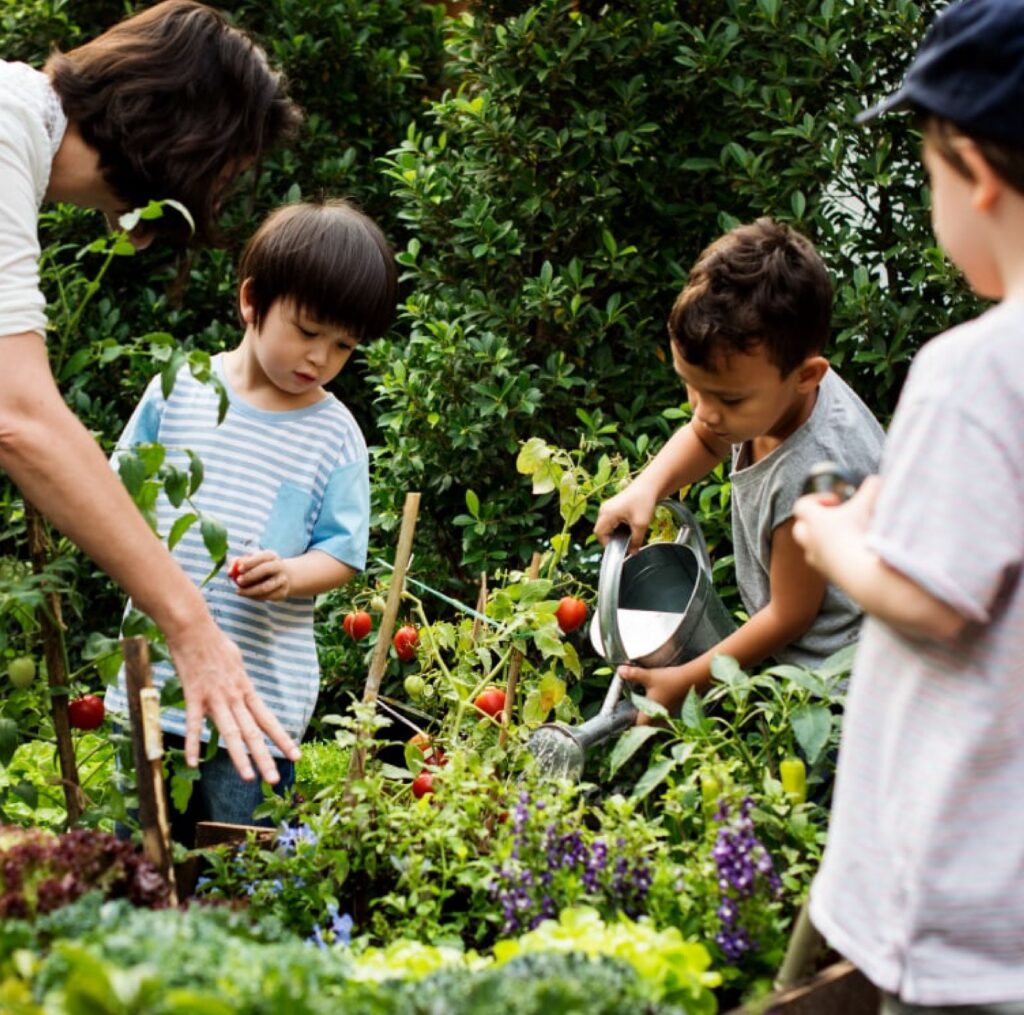
- Food (in all its forms) is an integral part of an ecosystem.
- All living organisms depend on one another for energy.
- Fruits and vegetables have optimal growing seasons, also known as seasonality.
- Some foods are warm weather crops and some foods are cold weather crops.
- The availability of food is dependent on different environmental factors.
- Seasonality impacts our food systems, and natural and built environments both affect the seasonality of foods.
- Different foods are cultivated, produced, and transported all over the world.
- Humans impact and affect the environment as well as food systems. We must learn about being responsible stewards of our resources.
Try these examples of real-world community experiences with your students aged K-12 to help them understand the importance of FES 3 in their daily lives!
- Germinate seeds under different conditions and analyze the success rate of the seeds.
- Examine pictures of a grocery store produce section taken at different times of year to observe changes in produce availability and origins, and compare these changes to an anchor text about seasonality. Alternatively, visit a local store or market to observe the produce section at different times of year.
- Visit a farm or have a farmer visit and discuss what is meant by ”growing season.”
- Encourage a visit from a chef or industry professional that works in a farm-to-table restaurant.
- Analyze and monitor the countries of origin for foods throughout the year by visiting grocery stores, farmers’ markets, or online retailers to observe when changes in origin occur.
- Develop a plan to consume seasonal foods by planting and using crops in the school garden to create meals.
- Use a school garden, community garden, hydroponics tower or classroom window boxes to plant seasonal crops, and then work to create meals/snacks using the produce grown.
- Work with local officials to create or help maintain and increase awareness of farmers markets and community gardens.
- Interview scientists, including environmental scientists, about food-related findings within their particular domain.
- Grow and save seeds from plants that thrive in their local climate for use in a school or community garden.
- Meet with school food service professionals to learn how local/seasonal foods are used in the school food program.
- Visit a farm and/or interview farmers about the process and environmental impacts of crop rotation and other farming practices.
- Connect with a food conglomerate (e.g. Kraft or others) to interview executives about how the company responds to shifts in supply and demand due to climate change.
- Work with community members and food awareness coalitions to analyze community food access and availability.
- I can name the seasons.
- I can talk about what times of year food can grow.
- I want to know about the different parts of plants we eat.
Play-Based Activities
- Dramatic play: incorporate items found on a farm; encourage the play of planting, harvesting, packaging, selling food
- Change the play food availability in the farmer’s market/grocery store/restaurant according to each season
- Observe, sort, describe and classify photos through the seasons
- Take nature walks at different times throughout the year to notice and observe seasonal change
- Create sensory bins to match seasons (fall leaves, apples, corn…)
- Plant quick-growing seeds and expose them to different conditions
- Sort the play fruits and vegetables in dramatic play according to the part of plant that is eaten
- Bring in different types of produce by season and explore them
- Look at real foods in snack/lunch to determine which part of a plant kids are eating (tomato=fruit, carrot=root, lettuce=leaves)
- Pretend to work in a restaurant and make a salad as a class to explore parts of plants that are eaten
- Explain how seasonality affects the food of a particular culture.
- Distinguish food options by climate and season.
- Distinguish between the natural and built environments.
- I can talk about the environmental impact of food production, overproduction, and food waste.
- I want to know about the energy used in producing, preserving, and transporting food.
- I want to know about the impact of modern food practices on sustainability.
- I can explain the interdependence of food supply and demand.
- I understand that climate-based food availability and patterns of consumption shape the food of a particular culture.
- I want to know more about the impact of climate change on food availability.
- I am aware of the environmental impacts of different types of agricultural practices (e.g., crop rotation, factory farms, overfishing, GMOs, pesticides, land stewardship) on the larger food system.
- I want to know how food justice can promote access in restricted areas (e.g. communities experiencing food apartheid/insecurity).
- I can talk about the environmental impact of global food demands regardless of climate and season, and how the food supply responds to shifting demands.
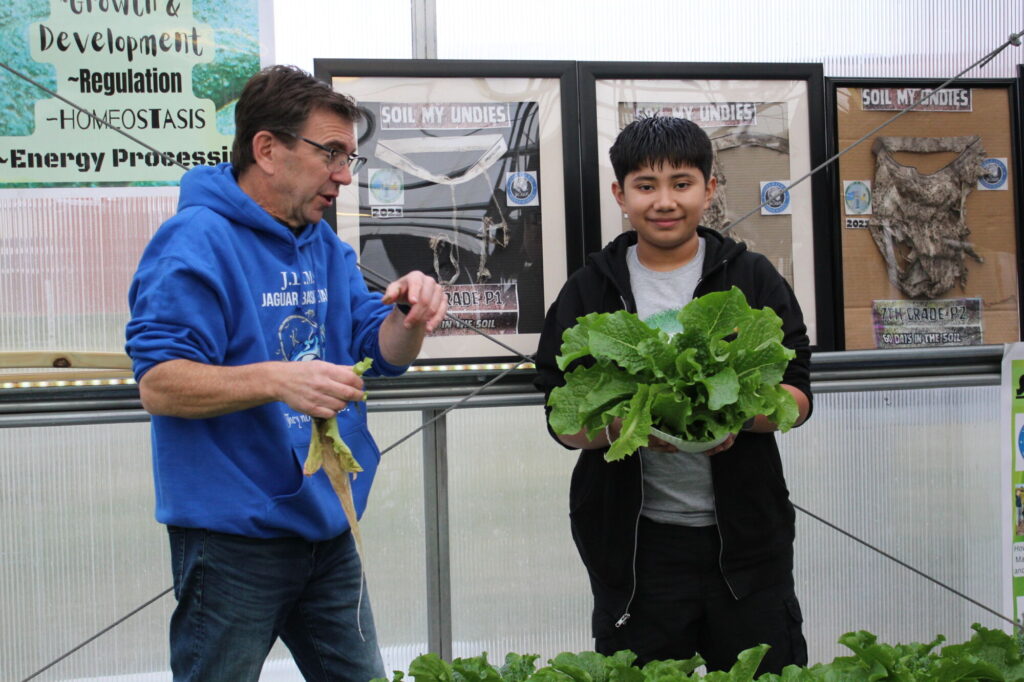
FES 3 in action
“The [Agriculture Education & Advocacy] lessons are extremely culturally relevant because [students] all eat and many of them don’t know where their food is coming from. They have aha moments learning that agriculture isn’t just about farming.”
Pilot Light Educator, 2024